




Why Carlo
Builder. Storyteller. Human.

He has lived the technology, not just studied it.
Carlo started in software and computer graphics, wrote the code, shipped products and pushed cloud transformation before it became conventional. He can speak to the technical room and the boardroom without translating one for the other.

He makes complexity something the room can retell.
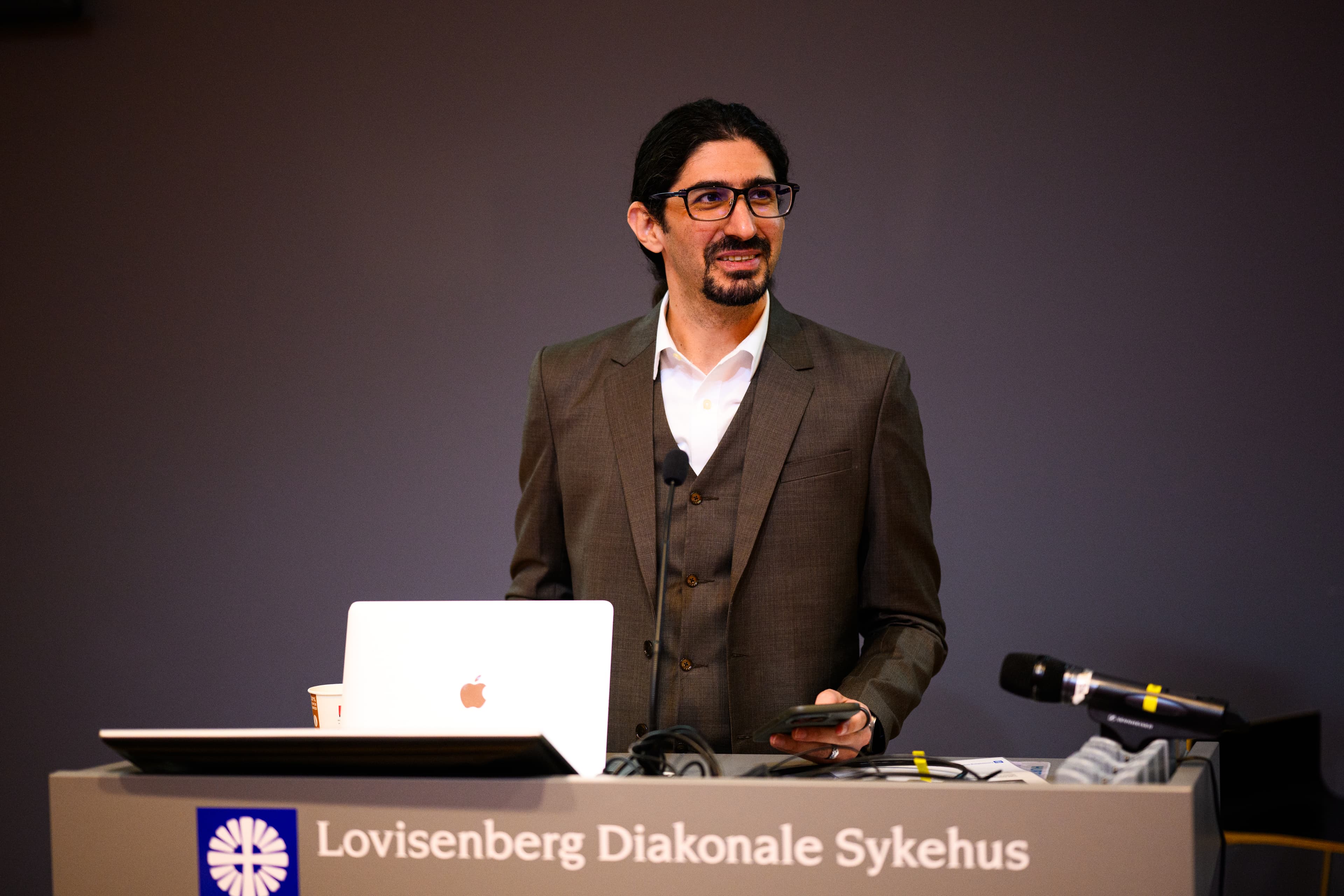
Technology strategy only matters if people understand it. As an author and speaker, Carlo turns complex ideas into stories and questions people can remember, challenge and carry back into their organizations.

He never separates technology from the people living through it.
Engineering is only part of Carlo’s world. Writing, music, travel and years working across cultures shape how he approaches change: with curiosity about not only what technology can do, but what it does to us.


